


Why is tire pressure a core factor affecting driving performance?
Tire pressure is one of the fundamental parameters determining tire performance. Whether it's fuel consumption, comfort, or braking distance, changes in tire pressure directly alter the tire's contact patch, deformation, and rolling resistance.
For any vehicle type, whether gasoline or electric, maintaining the correct tire pressure is the simplest, most economical, and most effective way to optimize performance.
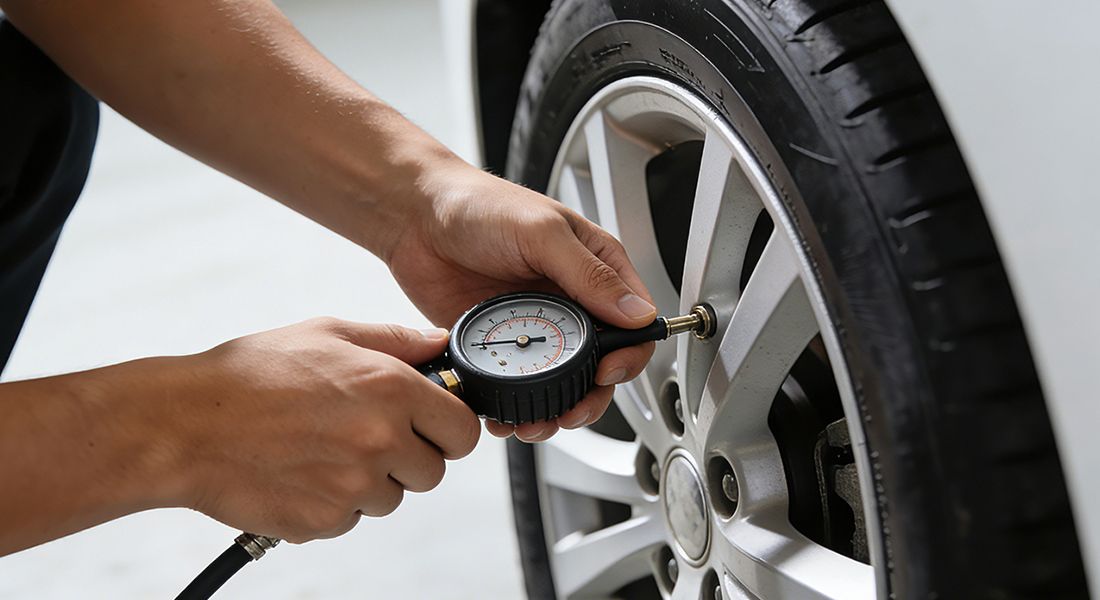
1. Tire Pressure and Fuel Efficiency: Rolling Resistance Is the Key
Low Tire Pressure: Noticeably Higher Fuel Consumption
Underinflated tires deform more and increase the contact patch with the road. This raises rolling resistance, making the engine work harder.
Results:
* Higher friction
* Sluggish acceleration
* Fuel economy worsens by 3%–6%, sometimes even more
High Tire Pressure: Slightly Lower Fuel Use but Higher Risks
Overinflated tires reduce the contact patch and rolling resistance, which may give a marginal improvement in fuel use.
However, the safety trade-offs outweigh any small efficiency gains.
Correct Tire Pressure: Optimal Fuel Efficiency
Manufacturer-recommended tire pressure is usually the sweet spot where:
* Rolling resistance is minimized
* Tread wear is optimized
* Performance and safety are balanced
This is why maintaining proper tire pressure is the simplest and most cost-effective way to improve fuel efficiency.
2. Tire Pressure and Ride Comfort: Tires Are Part of the Suspension System
Low Tire Pressure: Softer Ride but Less Stability
Underinflated tires absorb bumps more softly, but this comes with drawbacks:
* Sluggish steering response
* Higher tire temperature
* Increased risk of sidewall damage
High Tire Pressure: Harsher Ride and More Vibration
Overinflated tires behave like overly stiff air chambers, transmitting more vibration to the cabin.
Symptoms:
* Harsh ride
* Increased road noise
* Reduced comfort on uneven surfaces
Correct Tire Pressure: Balanced Comfort and Control
The tire absorbs road irregularities as designed, providing stable handling and comfortable ride quality.
3. Tire Pressure and Braking Distance: Direct Impact on Safety
Low Tire Pressure: Longer Braking Distance
Underinflation causes:
* Uneven contact patch
* Excessive tread deformation
* Reduced grip, especially on wet roads
This leads to longer and less stable braking performance.
High Tire Pressure: Reduced Grip and Higher Slip Risk
Overinflated tires have a smaller contact patch, reducing friction during hard braking. On wet roads, this increases the risk of hydroplaning and extends stopping distance.
Correct Tire Pressure: Optimal Braking Performance
Proper inflation ensures the tire maintains full tread contact and delivers the designed braking grip and stability.
4. Why Proper Tire Pressure Matters Even More for Electric Vehicles
EVs place additional demands on tires due to:
* Higher vehicle weight
* Instant torque
* Need for low rolling resistance to maximize range
Underinflated tires can significantly decrease EV range, increase heat buildup, and accelerate tread wear. Maintaining proper pressure is crucial to EV safety and performance.
5. Professional Tips for Maintaining the Right Tire Pressure
(1). Follow the Vehicle Manufacturer’s Recommended Pressure
You can find it:
* On the driver-side door frame
* In the owner’s manual
(2). Check Tire Pressure at Least Once a Month
Mandatory checks:
* Before long trips
* During seasonal temperature changes
* When carrying heavy loads
(3). Measure Only When Tires Are Cold
Wait at least 3 hours after parking the car to get an accurate reading.
(4). Use TPMS as a Real-Time Safety Tool
TPMS helps detect sudden pressure loss, but it does not replace regular manual checks.

As a brand focused on tire performance research, we ensure that every tire performs optimally at the correct tire pressure through rigorous rolling resistance, wet braking, and durability tests. The brand continuously develops low rolling resistance compounds and quiet tread patterns to bring users a safer, more fuel-efficient, and more comfortable driving experience.
Feel free to leave us a message to learn more about our products.